
Island car rental in Greece, all the essentials
Insurance, fuel, roads, parking, fines. Island car rental in Greece can be the best choice of your trip, or a source of stress. After many routes in Amorgos, Naxos and Paros, plus late returns to small ports, I gathered the essentials I wish I had known the first time I grabbed the keys.
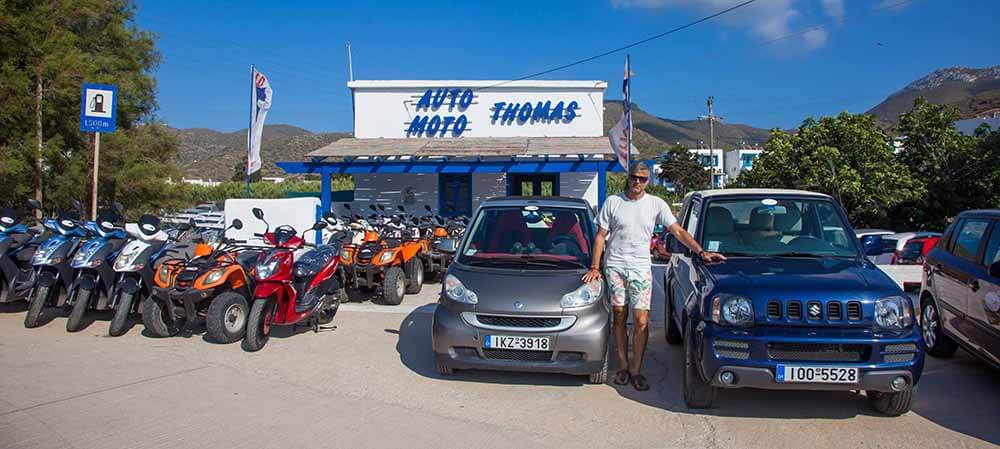 Island roads, small beaches, maximum freedom.
Why island car rental in Greece is worth it
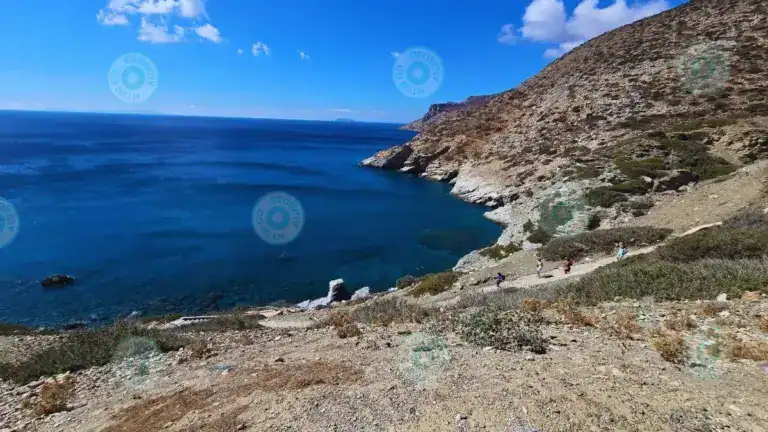
On larger islands like Naxos and Paros, a car means you reach villages, small coves and places buses never touch. In Amorgos you save time, especially if you plan to combine Chora, Aegiali and the Monastery of Hozoviotissa without watching timetables all day. Island car rental is freedom, as long as you know a few basic rules before you book.
Insurance, excess and the small print
Before you say yes, ask what the basic cover includes, what the excess amount is, and if tires, underbody and mirrors are covered. Photograph wheels, bumpers and roof before you leave the office. If you are island hopping, a solid travel insurance policy can help with medical costs and delays, not only potholes.

Fuel, stations and steep climbs
On islands there are fewer fuel stations and relaxed opening hours. Fill up early, especially if you plan remote beaches. Do not choose an overly large car, narrow streets and sharp bends are common around ports and hill villages. A small, efficient model goes everywhere and burns less.
Roads, gravel and GPS reality
Many favorite beaches have a segment of gravel road. Ask the company if such roads are allowed and what happens in case of a breakdown. Do not rely only on GPS, check a map, ask locals, and keep a realistic return time for the port or your stay.
Parking and fines
Parking looks relaxed, fines are not. Be careful in central lanes, near ramps and zones marked for residents. Never leave the car on bends or spots that block buses and delivery trucks.
Small things that make a big difference
Smart tag for keys and luggage
If keys or a beach bag go missing, a small tag helps you find them fast, especially on tight ferry days.
See the smart tagPowerbank for GPS and maps
In villages with few outlets and lots of heat, a reliable powerbank keeps your phone alive while you chase the next cove.
See the 10,000 mAh powerbank